
Walkers & Rollators
Walkers, rollators and knee walkers for support, stability and getting further from the house, fitted to the person.
Walkers and rollators do different jobs, and choosing the wrong one is the most common mistake people make when buying without advice.
A walker takes your weight
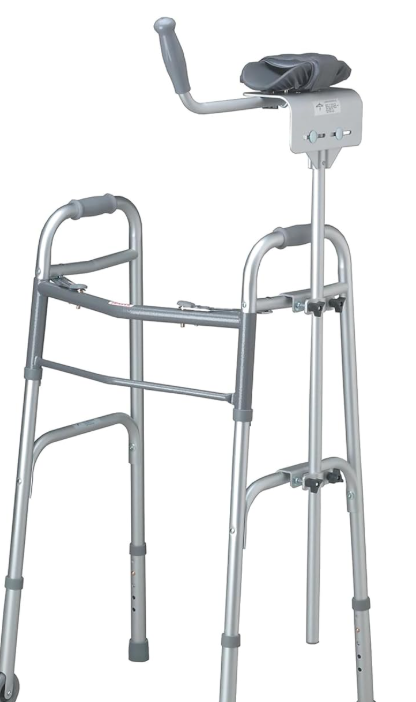
A standard folding walker, with no wheels or with two front wheels, is for someone who needs to lean on it. It stays put when you push down on it, which is what makes it safe for taking weight through the arms. The trade is that you have to lift or push it forward with each step, so walking is slower and more deliberate. That is the right chair-side aid after surgery, with significant weakness, or where balance is genuinely poor.
A rollator keeps you going
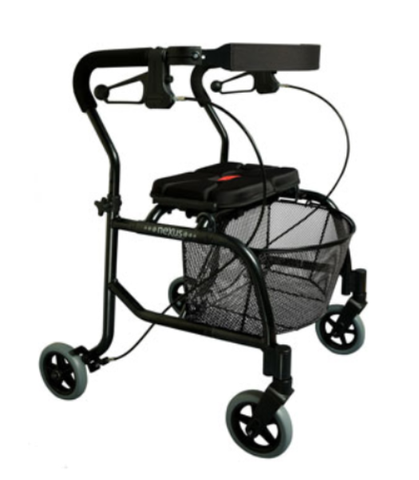
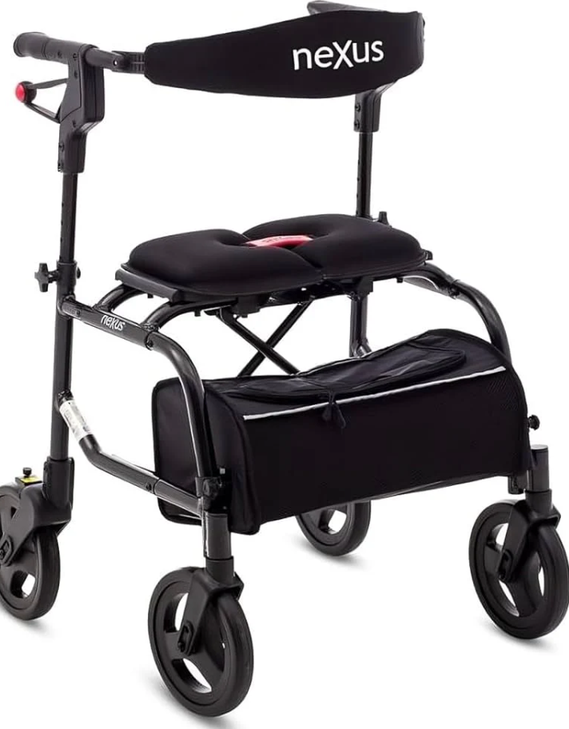
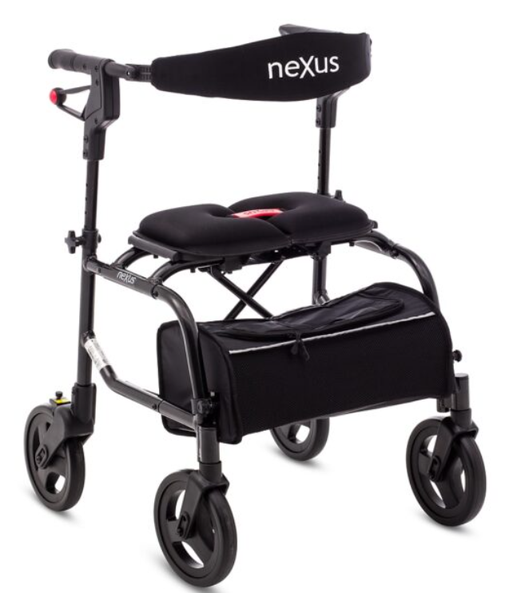
A rollator has four wheels, hand brakes and usually a seat. It rolls freely, so it suits someone who walks reasonably well but tires, feels unsteady over distance, or needs somewhere to sit when they stop. It is not for leaning on heavily. Because it moves when you push it, putting weight on a rollator that is not braked is how people fall.
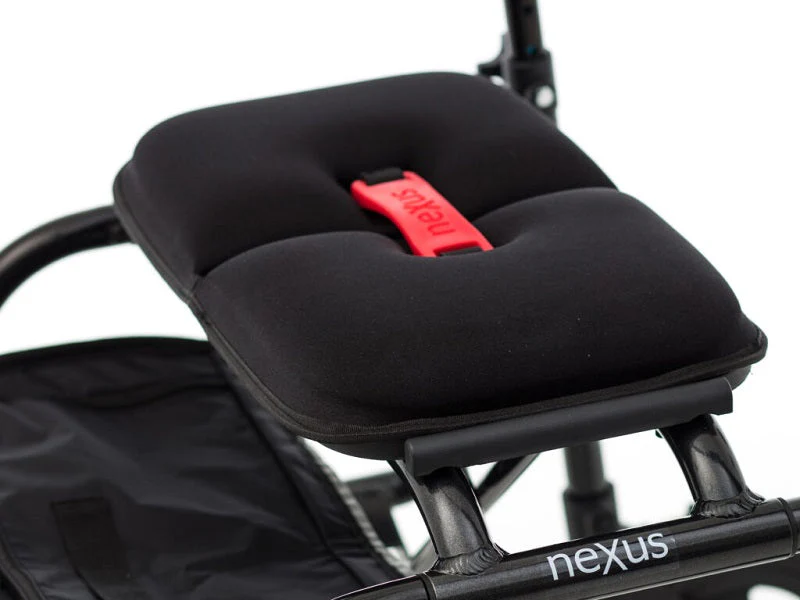
The seat matters more than it looks. Being able to sit down anywhere changes how far someone will go from the house, and that affects a great deal more than mobility.
Knee walkers
A knee walker is for a different situation again: an injury below one knee where that leg cannot bear weight but the other is fine. Resting the shin on the pad leaves both hands free and is far less tiring than crutches over the weeks a fracture takes to heal.
Getting the height right
Handle height should sit at the crease of the wrist when standing upright with arms relaxed at the sides. Too high and the shoulders hunch; too low and the person stoops, which puts them further off balance rather than steadier. It takes a minute to set and most people are using one set wrongly.
Some walkers are funded through the Assistive Devices Program for eligible Ontario residents, with the category determined by the assessor. Contact us or come into the showroom and we will fit one properly.
In Walkers & Rollators
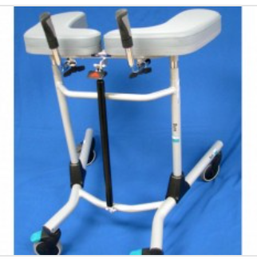
Other Walkers
5 products
Upright walkers that keep you standing tall, knee walkers for lower leg injuries, and refurbished frames.
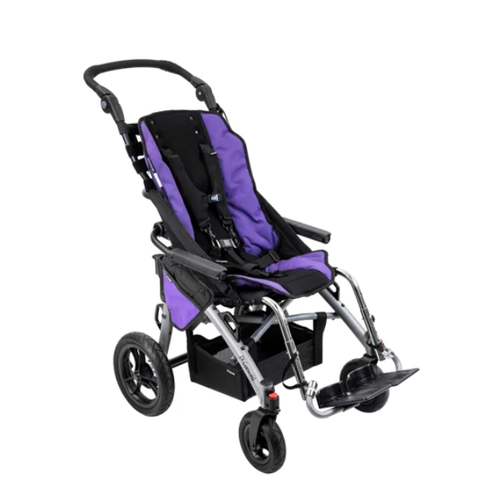
Pediatric Stroller
2 products
Specialised strollers with postural support and tilt for children who need more than an ordinary pushchair.
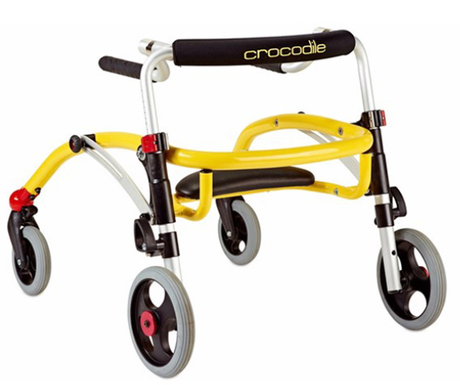
Pediatric Walkers
2 products
Gait trainers that support a child to walk, with support that can be reduced as they develop.
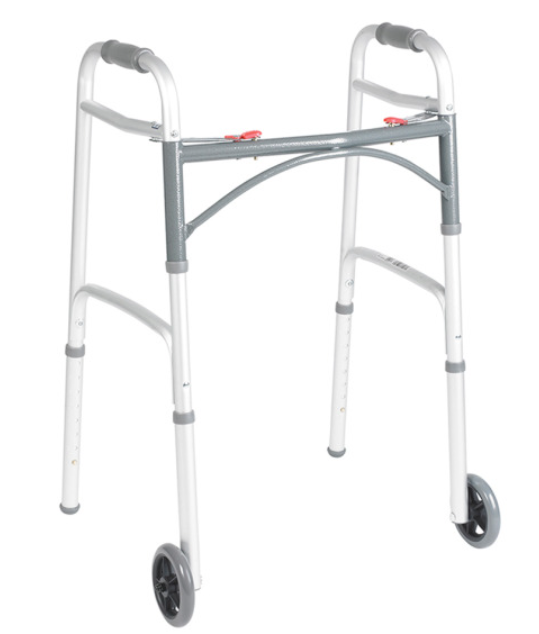
Type 1 Walkers
6 products
Standard walking frames that take your weight, with no wheels or two front wheels, for support rather than distance.
Type 2 Rollators
8 products
Wheeled rollators with smaller wheels, lighter and easier to turn indoors and in tight spaces.
Type 3 Rollators
24 products
Rollators with larger wheels for active outdoor use on most terrains, with a seat for resting along the way.
Airgo Excursion Rollator
Low stock
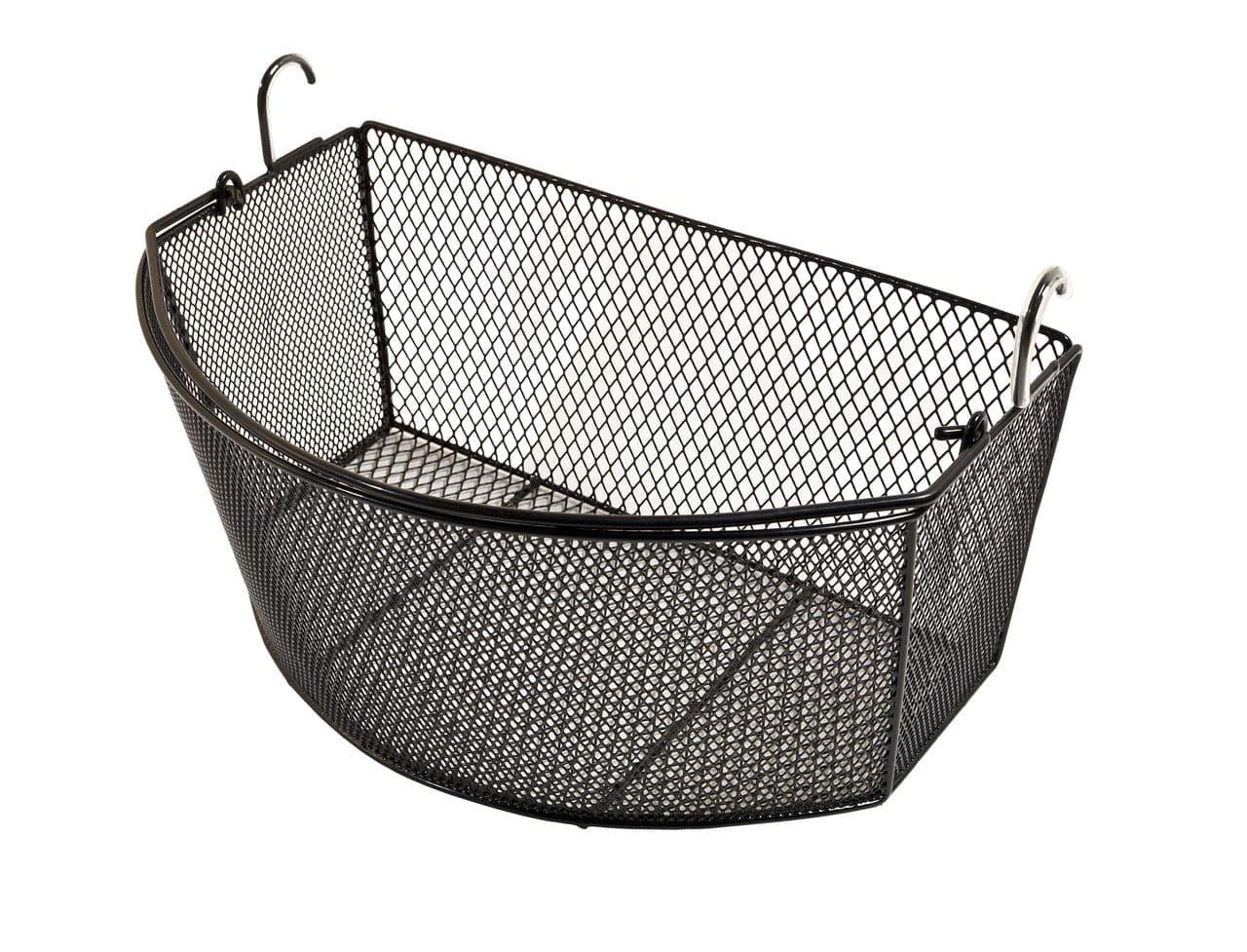
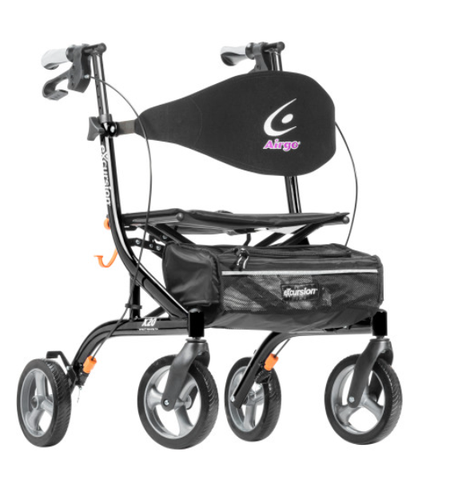
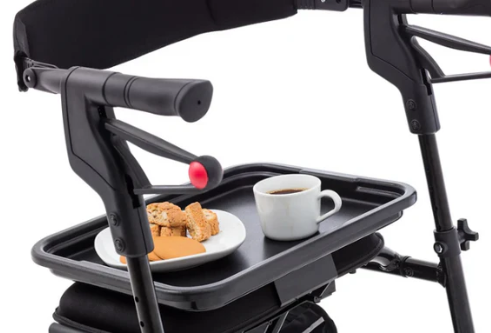
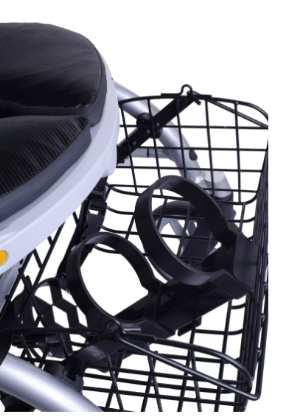
A Type 3 outdoor rollator in three seat heights, with a 400 lb bariatric wide frame available.
Evolution Xpresso Lite Cable-Free Rollator
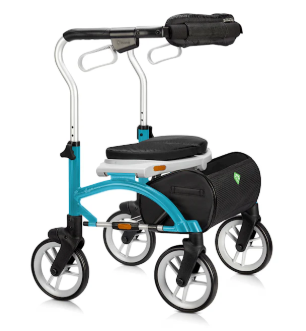
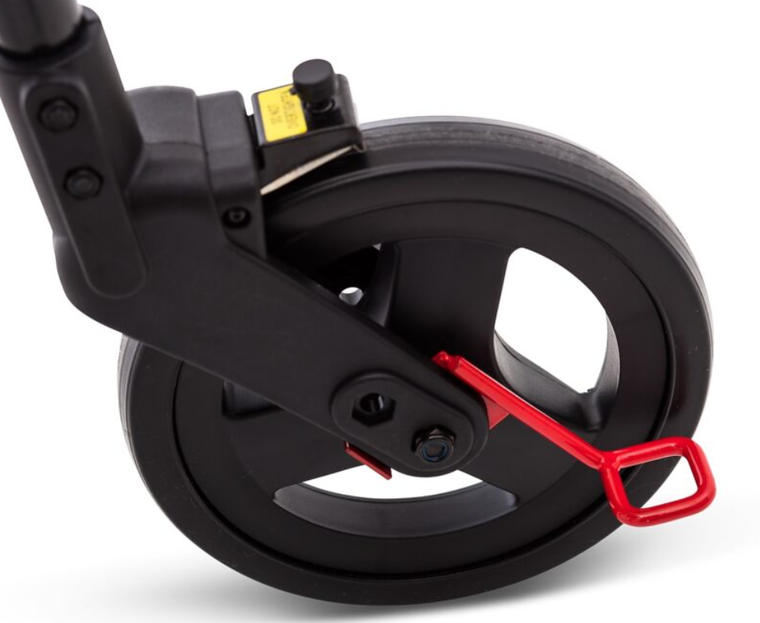
A Type 3 rollator with brake cables routed inside the frame, so nothing catches, snags or frays.

R82 Crocodile Posterior Walker
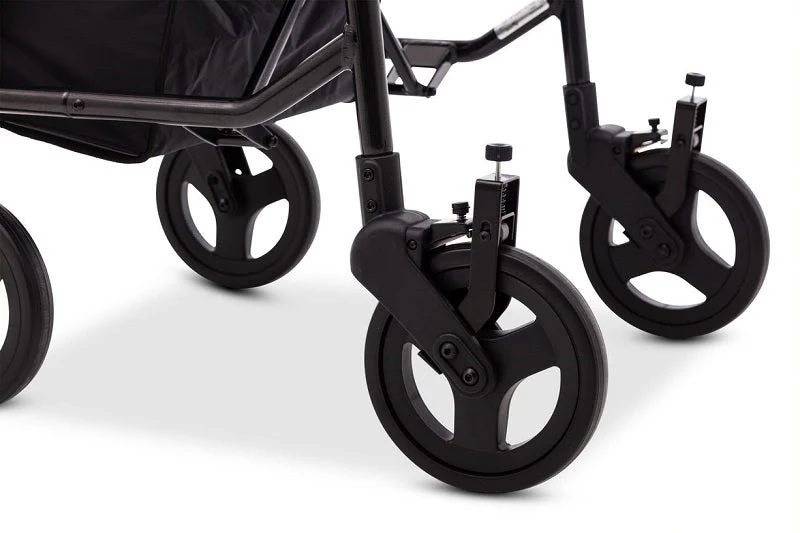
A posterior walking aid for children that sits behind the user to encourage upright posture, with modular supports that adapt as the child progresses.
R82 Mustang Gait Trainer
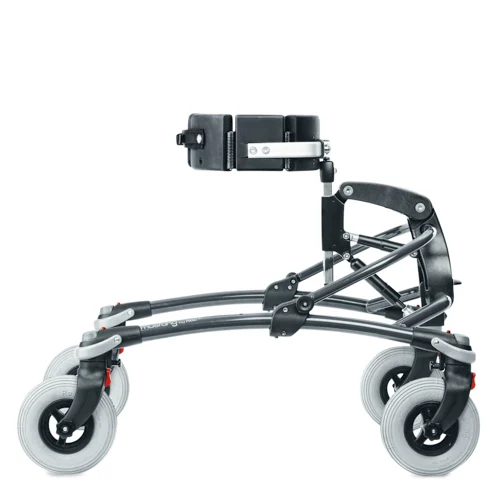
A children's gait trainer that sets up either in front of or behind the child, so one frame follows them as their walking develops.
We're here for your questions.
Client, caregiver or therapist — good decisions start with good information. Our team is available seven days a week to help you choose and to check funding eligibility.