
Canes & Crutches
Canes, quad canes, folding canes, crutches and accessories, fitted to the right height before you leave.
A cane or a pair of crutches is usually the first mobility aid anyone owns, and the one most often chosen badly. Height is set wrong, the handle suits the wrong hand, or a single cane is used where the person actually needs two.
Getting the height right
This matters more than anything else on the page, and it takes ten seconds to check.
Stand upright in your usual shoes with your arms hanging relaxed. The top of the cane should sit at the crease of your wrist. Your elbow will then bend about 15 to 20 degrees when you hold it, which is what lets your arm take weight.
Too tall and your shoulder hunches and you cannot push down properly. Too short and you lean forward, which puts your weight in front of your feet, and that is how people fall.
Which hand
The cane goes in the hand opposite the weaker or painful leg, and moves forward at the same time as that leg. Almost everyone gets this wrong at first, and using it on the same side gives very little support.
Choosing a handle
The handle is where your body weight goes, so it matters if you will use the cane all day.
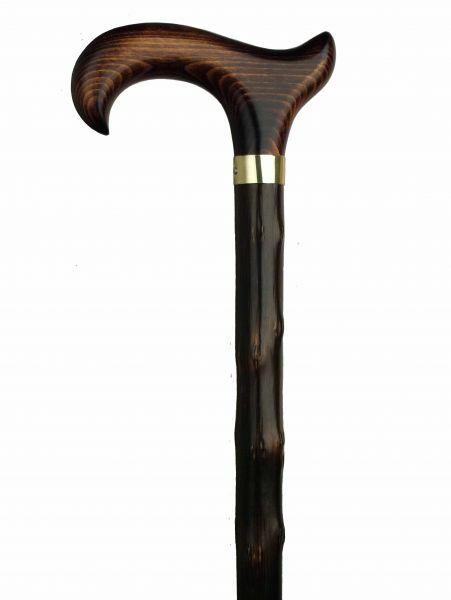
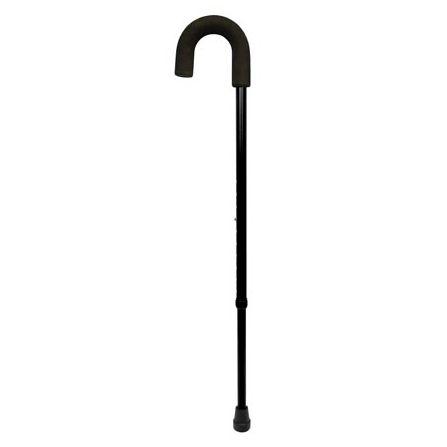
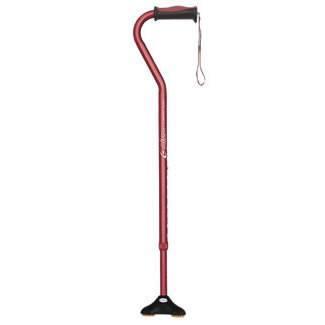
A derby or J handle is the traditional shape and easy to hang over an arm. An offset handle places your weight directly over the shaft, which is more stable and easier on the wrist. An orthopedic handle is shaped to spread pressure across the palm, which suits arthritic hands that cannot grip a narrow handle comfortably.
One point of contact, or four
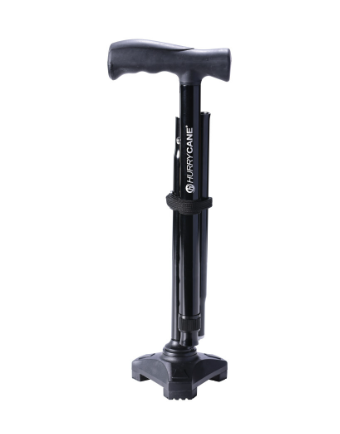
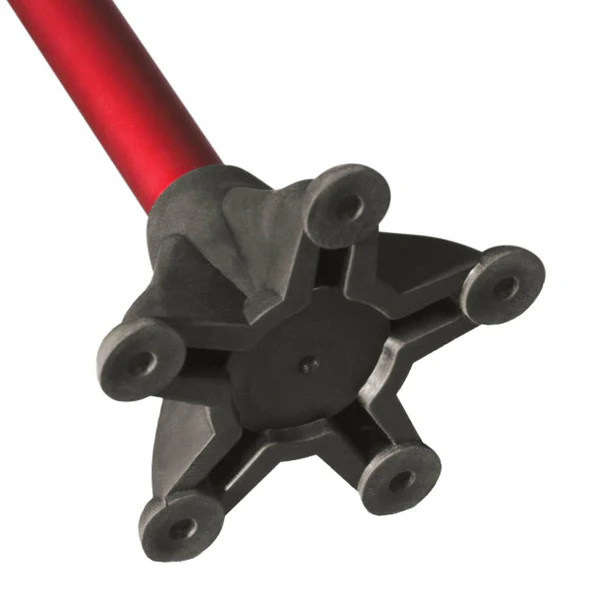
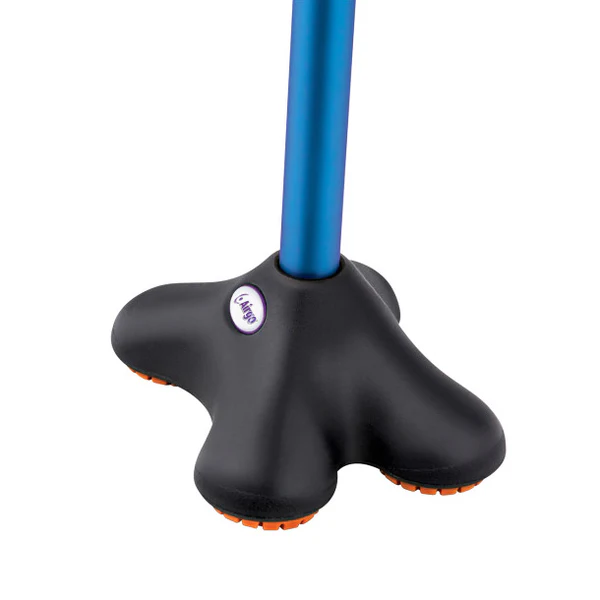
A standard cane touches the ground at one point. A quad cane has four feet and stands up on its own, giving considerably more support, and it is the step between a cane and a walker.
A small base is easier to place on stairs; a large base gives more stability but needs more floor. If you are unsure, come in and try both.
Crutches
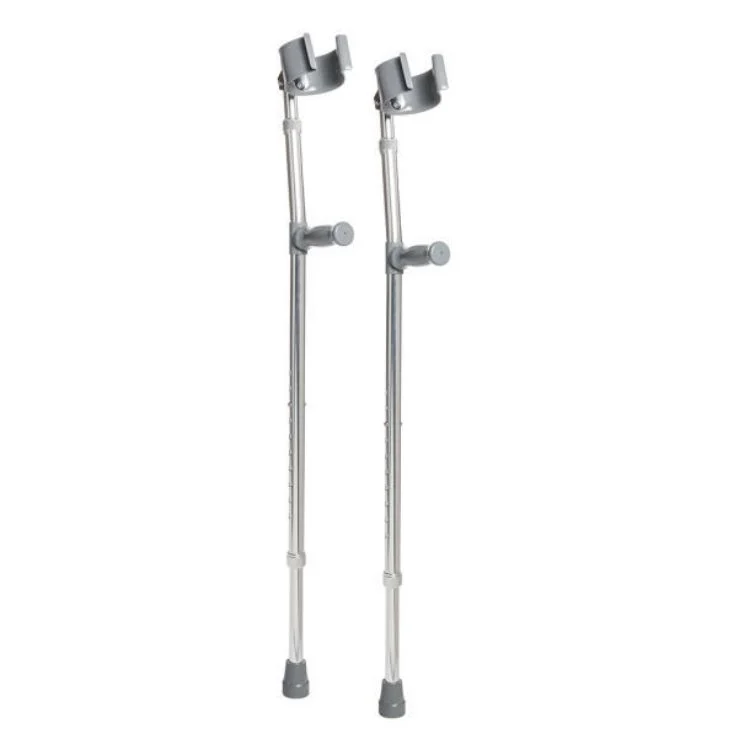
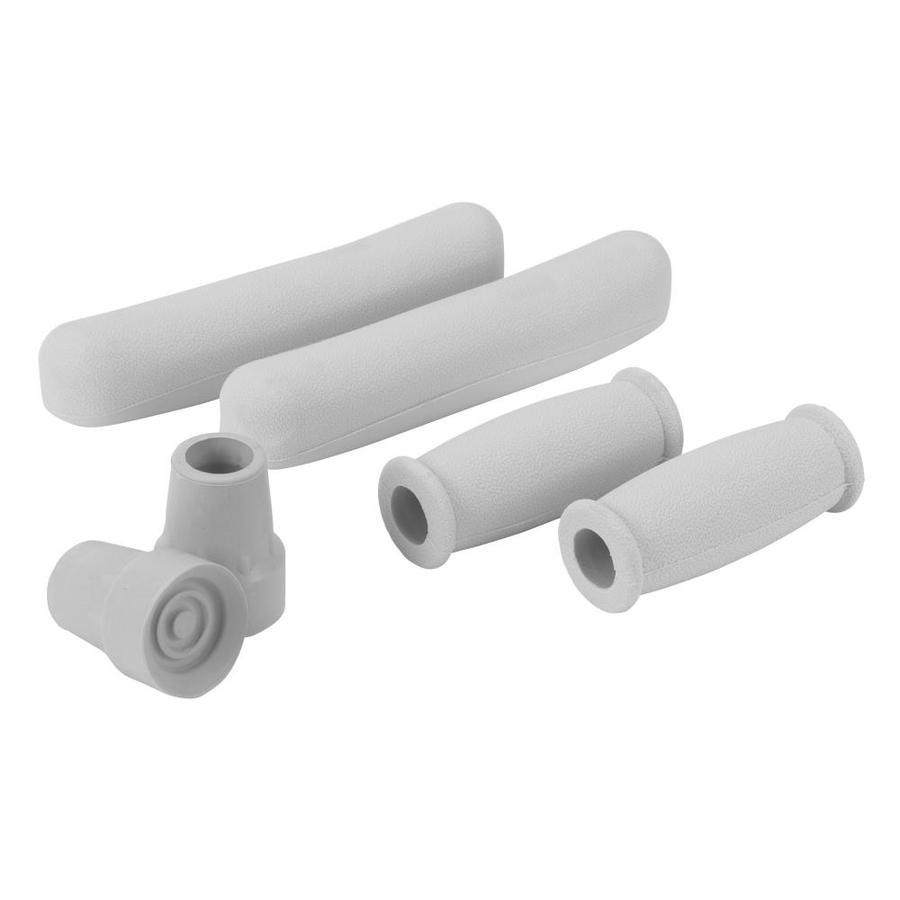
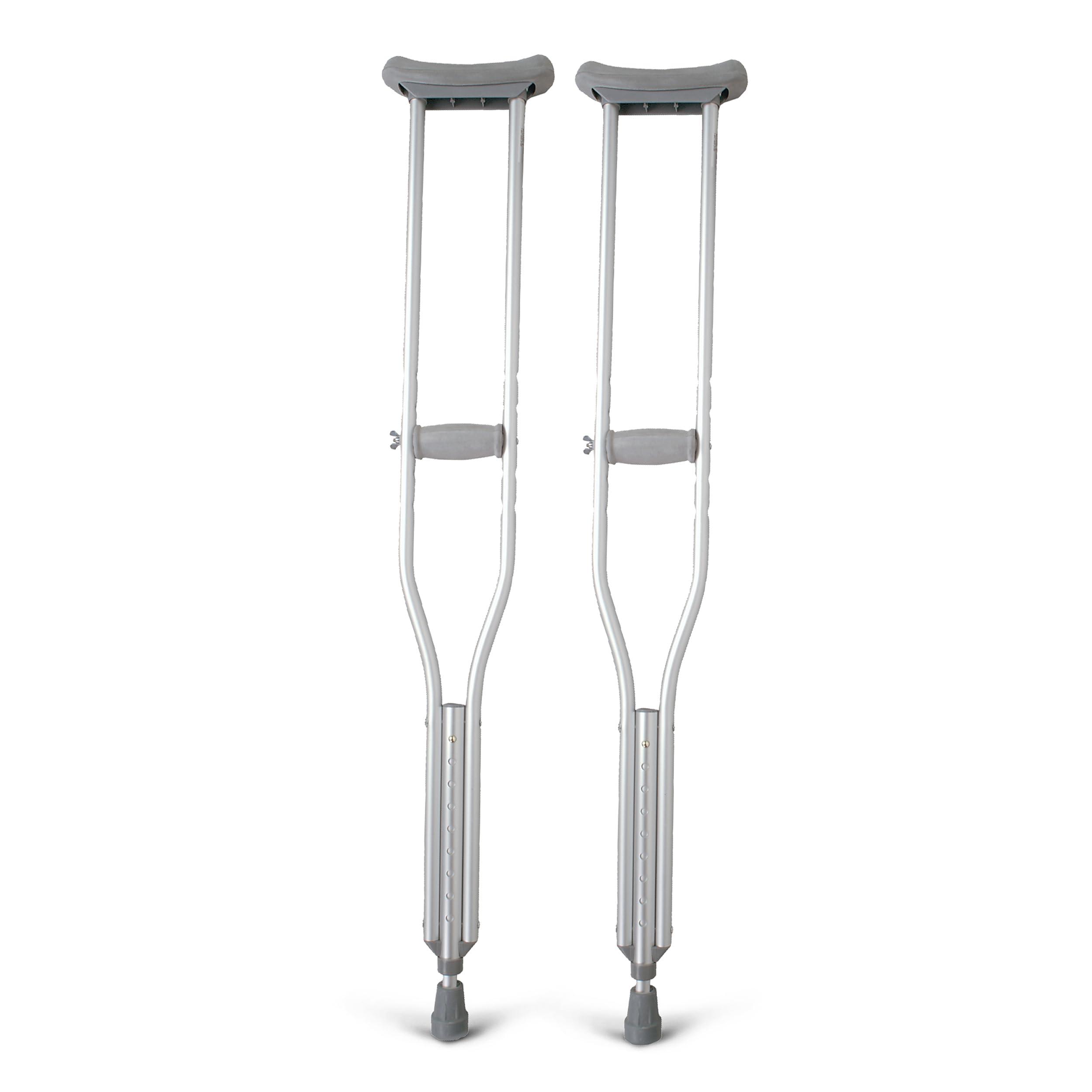
Underarm crutches suit a short-term injury where one leg cannot bear weight. They should never actually rest under the arm, since pressure there can damage nerves. Your hands take the weight and the pads only steady you.
Forearm crutches suit long-term use. They are harder to learn but far kinder to the shoulders and leave your hands freer.
Ontario winters
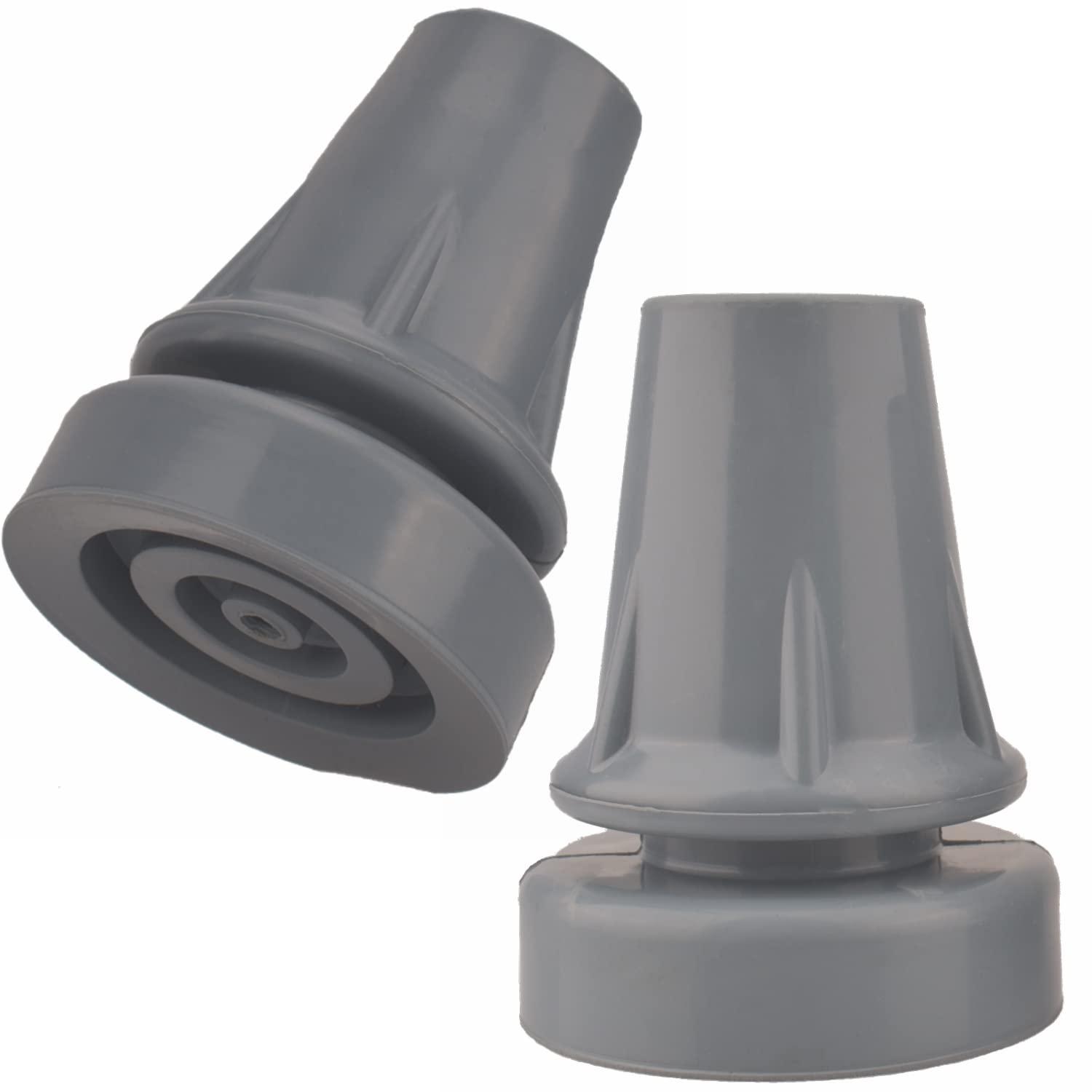
An ice grip tip that flips down over the rubber is the single most useful accessory we sell between December and March. Worn rubber tips are the other common cause of slips, and they cost very little to replace.
Ask us
Tell us which leg is the problem, how far you walk and whether stairs are involved. We will set the height properly before you leave.


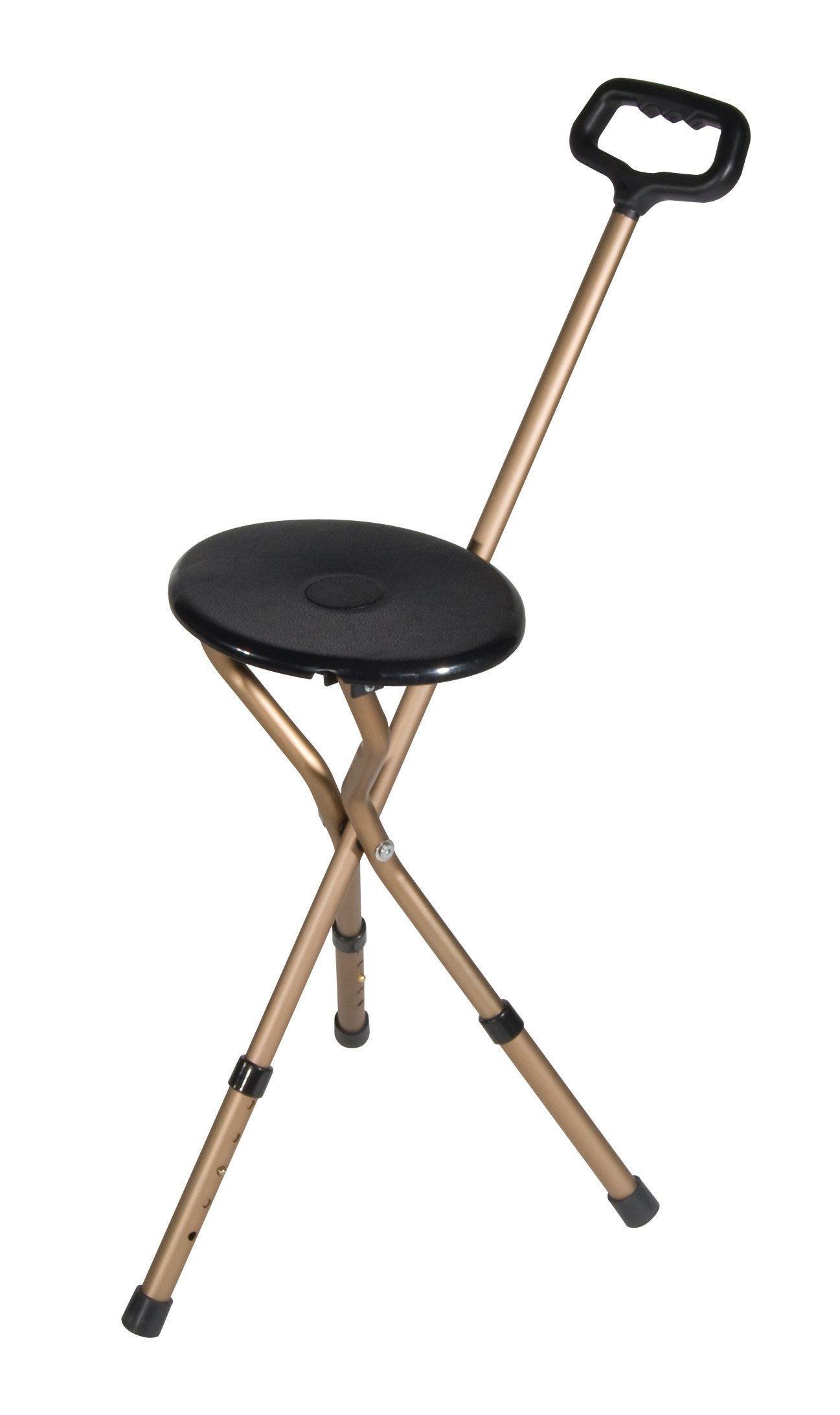
.jpg)
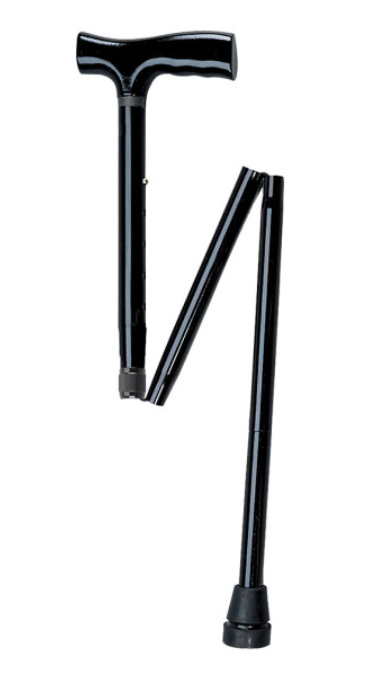
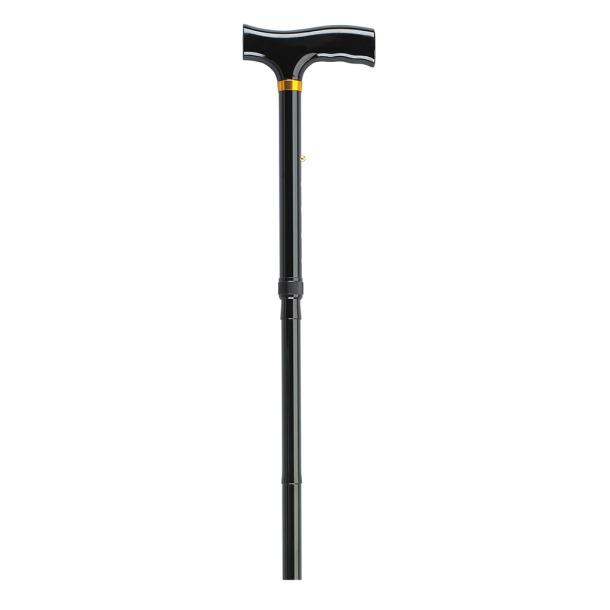
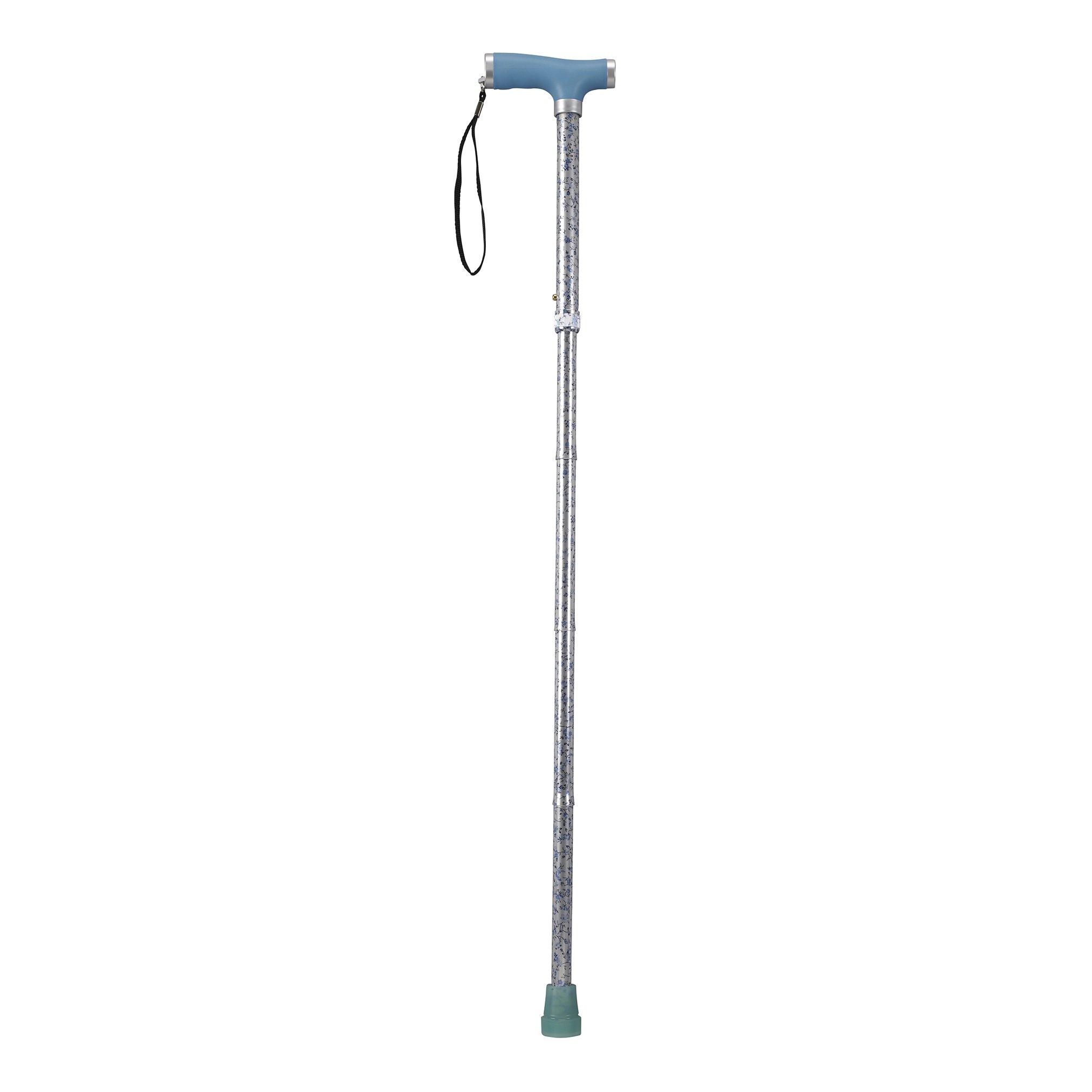
Folding Walking Cane
In stock
A cane that folds into a bag, for occasional support and travel rather than constant use.
.jpg)
Ice-O-Grip Cane Ice Tip
In stock
A flip-down ice spike for a cane, that grips on ice and folds away indoors.
.png)
Offset Handle Walking Cane
Low stock
A cane with the grip directly above the shaft, so weight goes straight down and the wrist stays straight.
.png)
Orthopedic Handle Walking Cane
A cane with a moulded palm-shaped handle that spreads weight and needs less grip, for painful hands.
We're here for your questions.
Client, caregiver or therapist — good decisions start with good information. Our team is available seven days a week to help you choose and to check funding eligibility.