
Rehab Seating Accessories
Trays, arm and elbow supports, foot boxes, lateral supports and amputee boards that finish a seating system.
The parts that finish a seating system: trays, arm and elbow supports, foot boxes, lateral supports, amputee boards and the hardware that mounts them.
These are what make a chair fit a person
A cushion and a back get the pelvis and trunk right. Everything after that is about the limbs, and it is where a seating system stops being generic and starts suiting an individual.
Someone whose arm falls off the armrest all day will develop shoulder pain and may dislocate the joint over time. Someone whose feet slip off the footplates drags them, catches them on obstacles, and pulls themselves out of position with every attempt to reposition.
These accessories look like small parts. They decide whether someone can sit comfortably for eight hours.
Arms and elbows
Arm troughs hold a weak or flaccid arm in a supported position rather than letting it hang, which protects the shoulder and keeps the hand in view.
Elbow blocks stop the elbow sliding off the side.
Wide and gel arm pads spread pressure for someone who leans on their armrests to push up or reposition.
Trays
A lap tray provides a surface at the right height for eating, reading and activity, and supports the forearms, which takes load off the shoulders and helps the trunk stay upright.
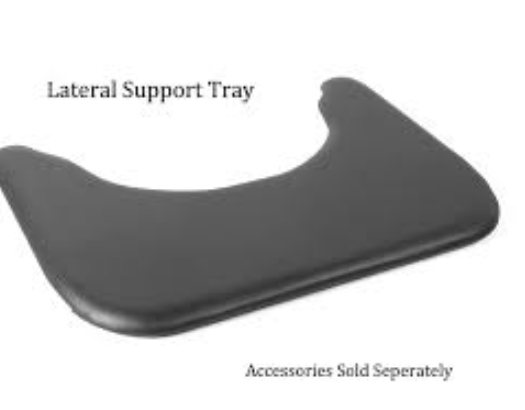
Lateral support trays add trunk support at the same time, with elbow stops and straps.
Half trays suit someone who needs support on one side only.
Feet and legs
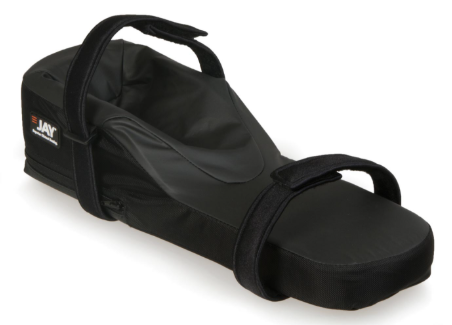
Foot boxes enclose the feet, keeping them on the plates and protected. For anyone with strong involuntary movement or who constantly loses foot position, this changes the day.
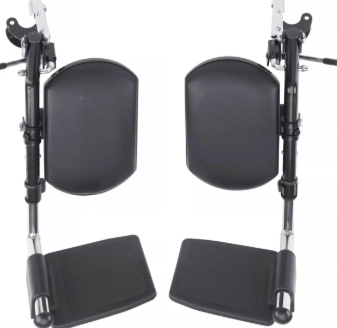
Footrest pads and gel padding cushion the plates for feet that cannot be repositioned.
Amputee boards support a residual limb in the correct position. Without one, the limb hangs unsupported, which affects both comfort and the balance of the chair.
Belts, harnesses and supports
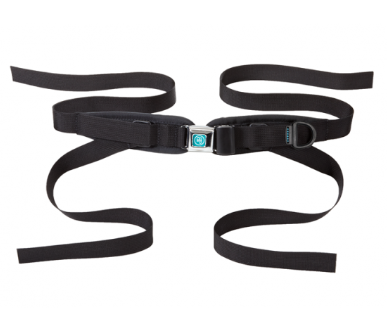
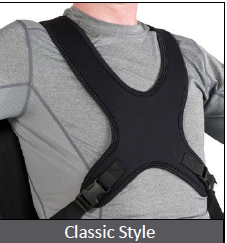
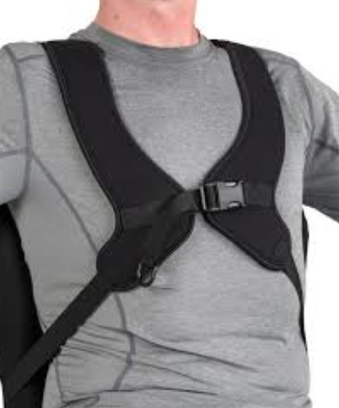
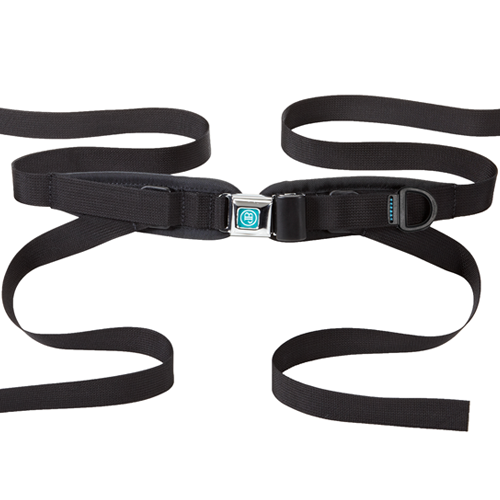
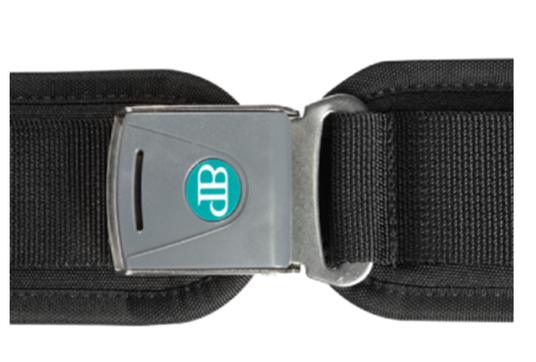
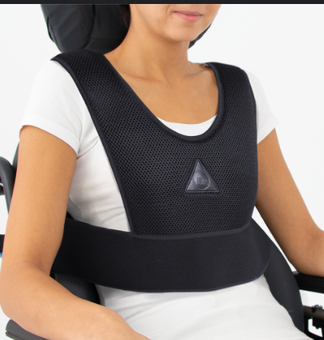
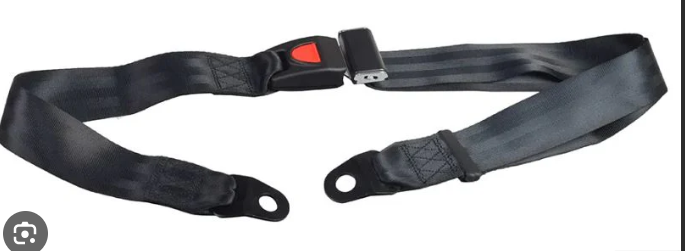
Pelvic belts, hip belts and chest harnesses are covered in belts and harnesses. A positioning belt supports posture and is not a restraint, and that distinction matters.
Mounting matters as much as the part
Most of these attach with clamps and brackets, and where they sit decides whether they help. A tray an inch too high pushes the shoulders up; an arm trough set wrong pulls the shoulder forward.
Bring the chair, or tell us the make, model and seat width. Where a seating therapist has specified something, we will supply and fit exactly that.

 Build Your Own
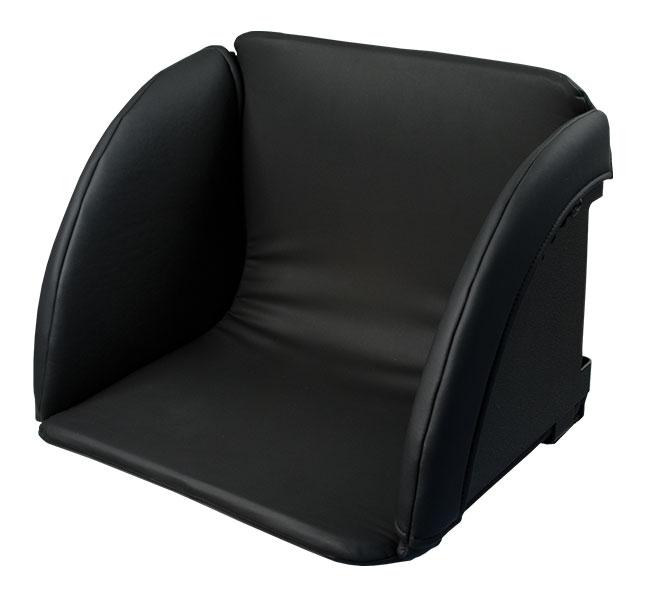
Bolster Cushion

We're here for your questions.
Client, caregiver or therapist — good decisions start with good information. Our team is available seven days a week to help you choose and to check funding eligibility.