
Foam Mattresses
Comfort, pressure redistribution, gel and bariatric mattresses for homecare beds, sized to the bed platform.
Mattresses for homecare beds, from ordinary comfort mattresses to pressure redistribution surfaces for anyone who cannot reposition themselves.
Start with one question: can they turn over?
This decides everything else on the page.
Someone who shifts position in their sleep, as almost everyone does without noticing, relieves pressure constantly and can usually use a comfort mattress.
Someone who cannot turn without help concentrates their weight on the same points hour after hour. Skin and the tissue beneath it can be damaged surprisingly quickly, and the damage starts deeper than the surface, so it is well advanced before anything shows.
For that person the mattress is not bedding, it is treatment.
What the M ratings mean
You will see mattresses described as M1 and M2. These are the Ontario Assistive Devices Program categories for pressure redistribution surfaces, and the assessor determines which category a person qualifies for.
Broadly, higher risk means a higher category. If you are going through ADP, the assessment sets the category rather than the shop.
The choices
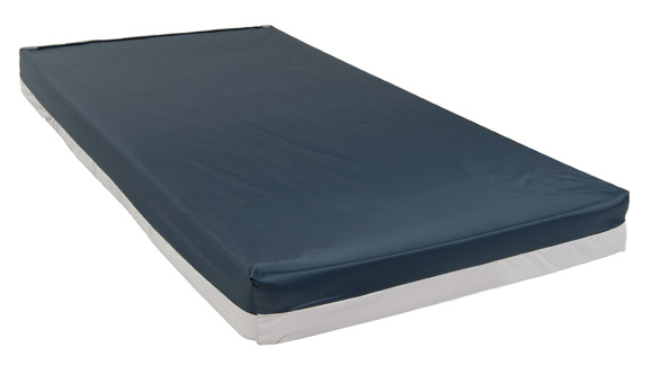
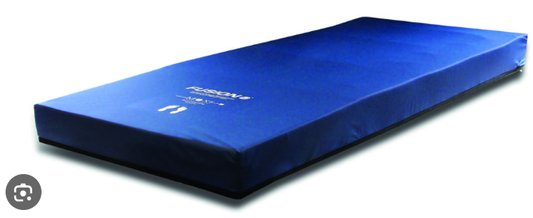
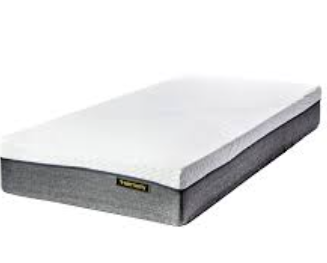
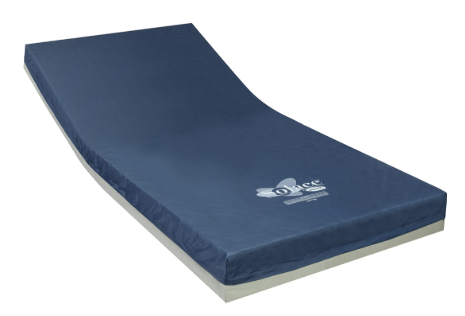
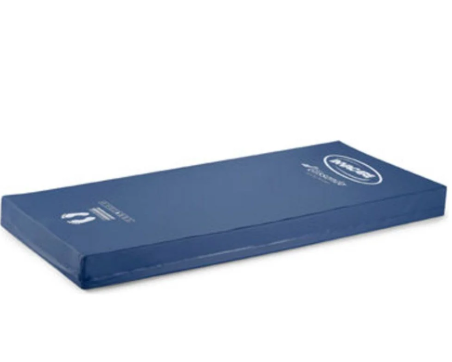
Comfort and orthopedic foam, in firm and medium, for someone who moves normally and simply needs a mattress that suits a homecare bed. Available in twin and double sizes as well as bed-specific widths.
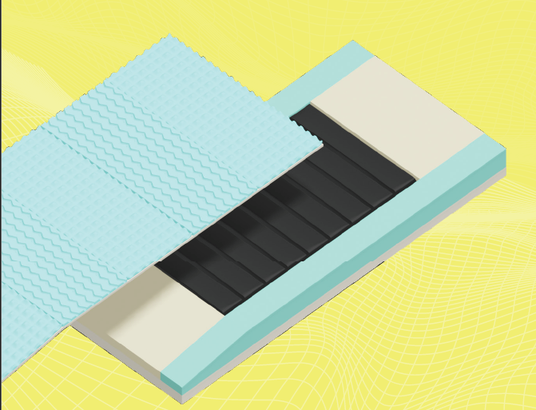
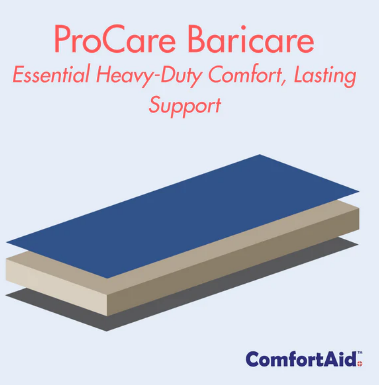
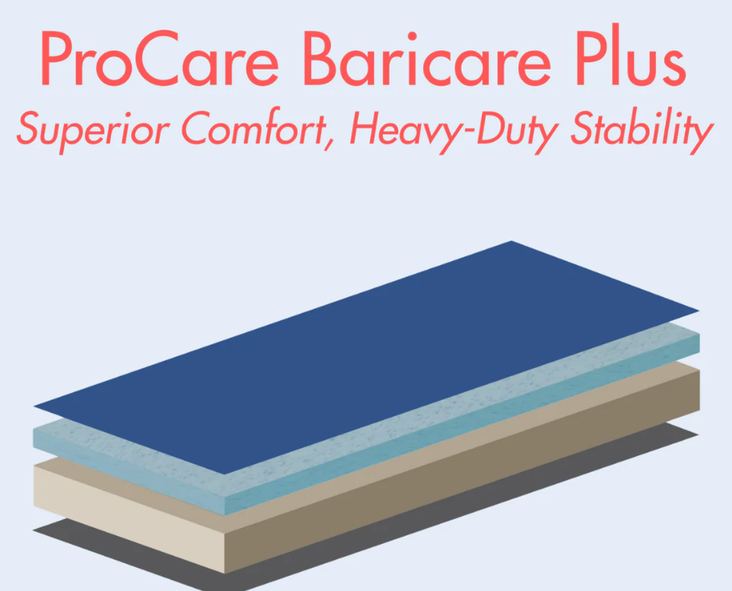
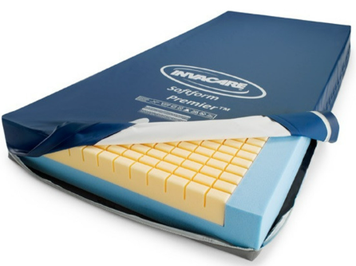
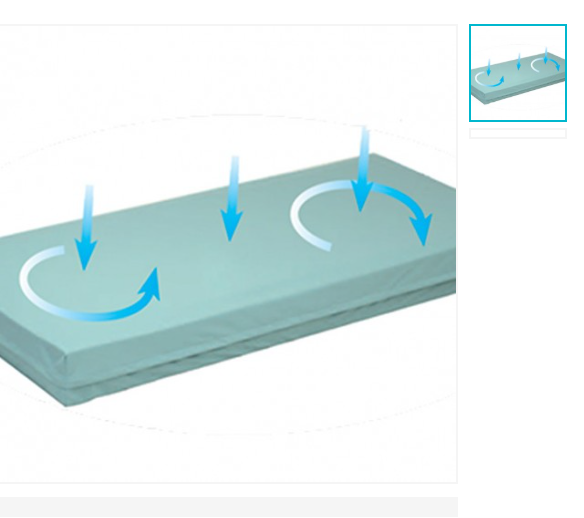
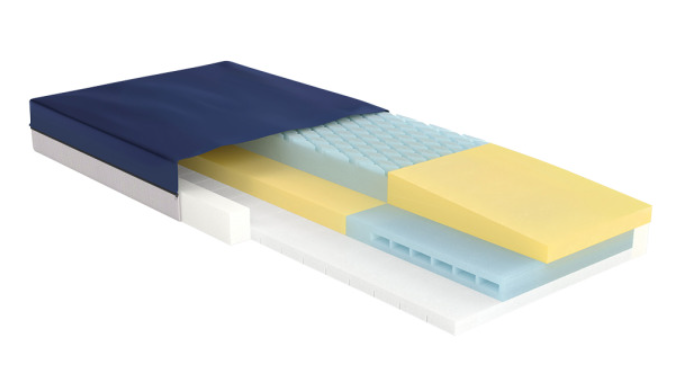
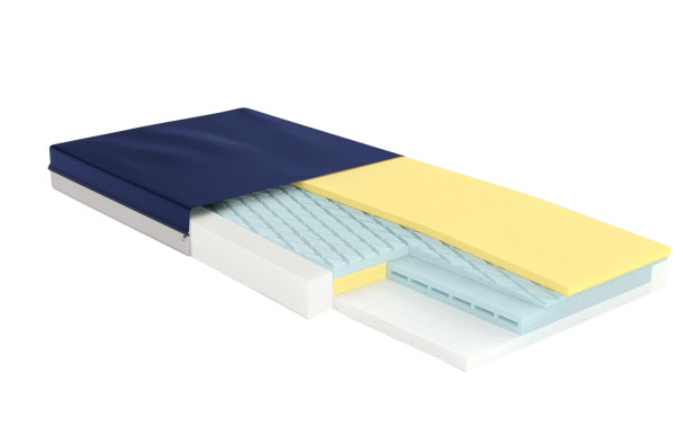
Pressure redistribution foam, built in zones or layers so weight spreads rather than concentrating at the heels, sacrum and shoulders. No pump, nothing to fail, silent.
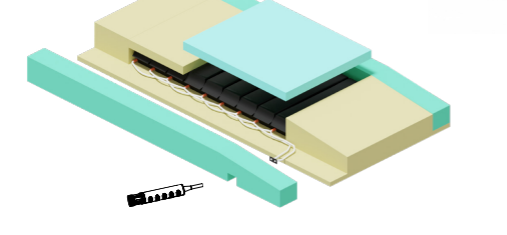
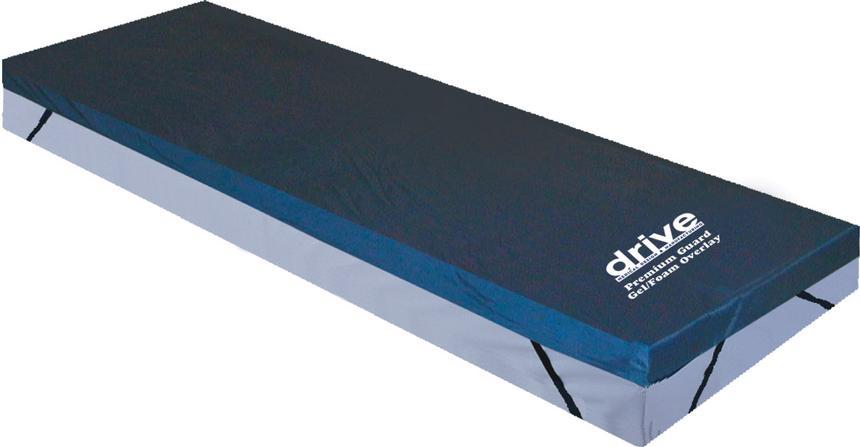
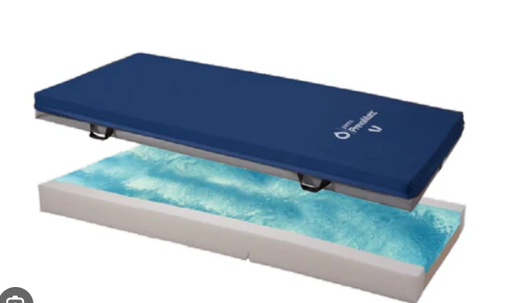
Gel and hybrid foam, which add a gel layer or a powered element at the points that take the most load.
Gliding mattresses, designed to reduce the shear that damages skin when someone slides down the bed after the backrest is raised. Shear is a distinct problem from pressure and is often overlooked.
Bariatric mattresses in 42, 48 and 60 inch widths, built for higher body weight, where pressure concentrates more at the same contact points.
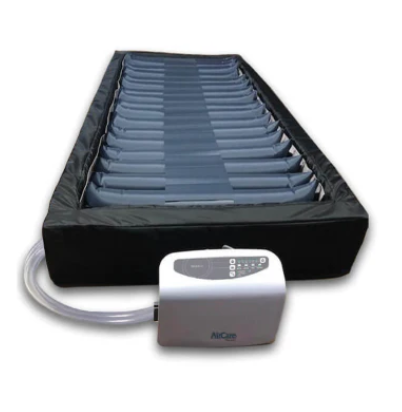
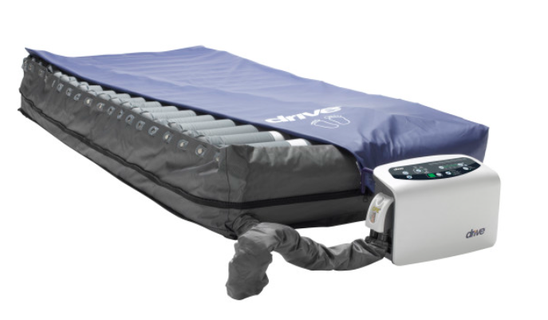
Where the risk is higher still, an alternating pressure air mattress actively changes which part of the body bears weight.
Size it to the bed
Measure the bed platform, not the old mattress. A mattress narrower than the frame leaves a gap at the sides, which is uncomfortable and an entrapment risk with rails fitted. Too wide and it bows when the backrest is raised.
Standard homecare beds are 36 x 80 inches. Extenders are available where someone is taller than the bed.
Ask us
Tell us whether the person can reposition themselves, how many hours a day they spend in bed, and the size of the bed platform. That is enough for us to recommend properly, and if the answer is that they need an assessment first, we will say so.



We're here for your questions.
Client, caregiver or therapist — good decisions start with good information. Our team is available seven days a week to help you choose and to check funding eligibility.